The Feast of Booths is over but Jesus’ confrontation with the Jewish leaders still rages on. In John 9, we read about the 6th sign Jesus performed. These signs were miracles (sometimes public) that were meant to authenticate Jesus’ claim to be the Christ, the Son of God. The signs were verifiable proof that Jesus was sent from God (John 3:2). Jesus did not perform miracles haphazardly; His miracles were signs meant to testify of His identity. In the 6th sign, Jesus heals a blind man and rebukes blind men.
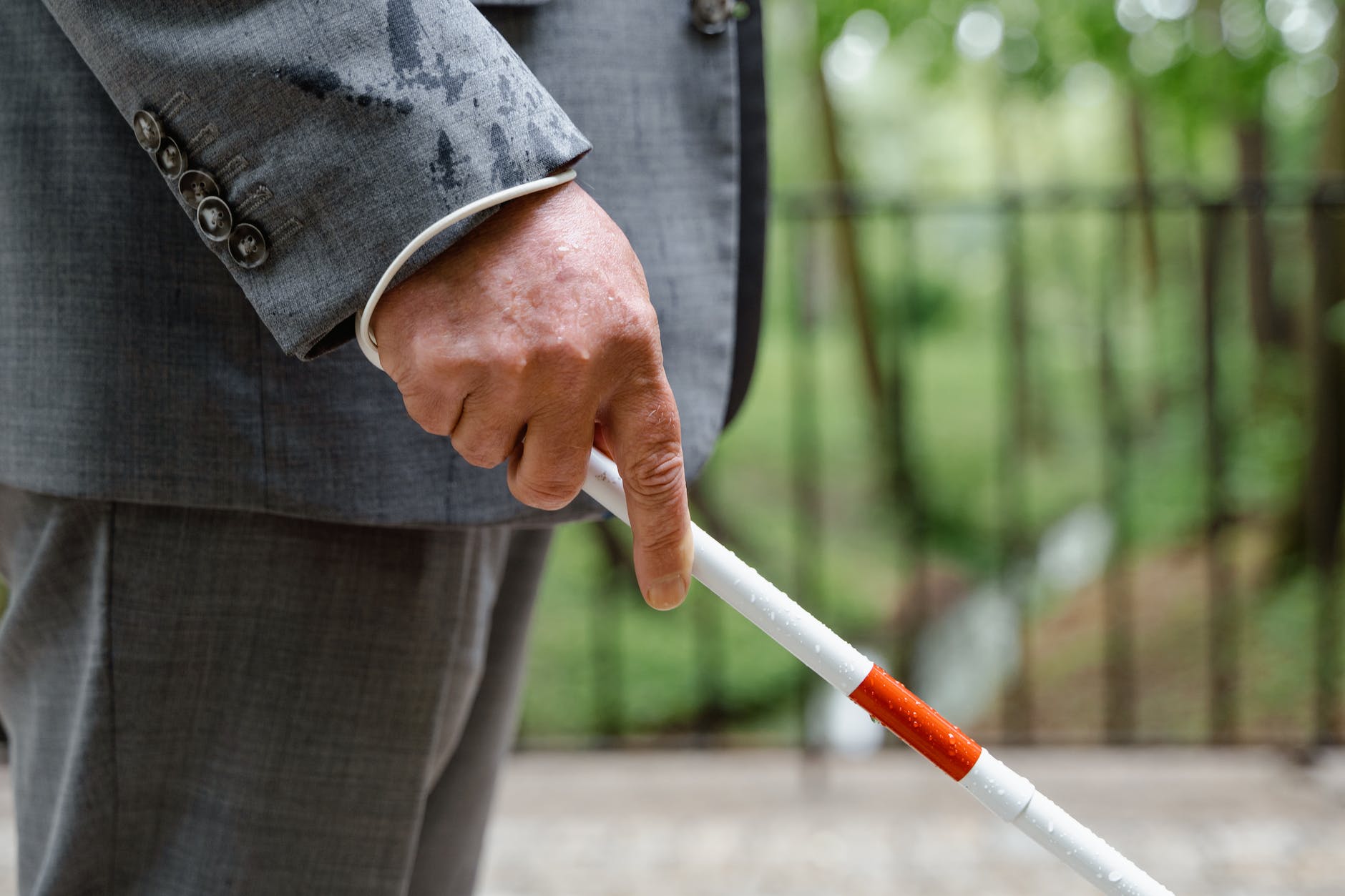
Jesus Heals a Blind Man (1-12)
One day Jesus was leaving the temple with His disciples and they saw a man blind from birth. Jesus’ disciples asked Him, “Rabbi, who sinned, this man or his parents, that he was born blind?” Jesus replied, “Neither this man nor his parents sinned, but this happened so that the works of God might be displayed in his life.” Jesus reiterated that He is “the light of the world” (9:5 & 8:12) then spit on the ground and made mud with the saliva. He rubbed the mud in the man’s eyes and told him to wash in the pool of Siloam. The “man went and washed, and came home seeing” (9:7). The neighbors of the man were confused. This looked like the blind beggar but now he could see. How did this happen? The man told them about his encounter with Jesus and they brought him to the Pharisees.
The Pharisees Excommunicate the Healed Man (13-34)
The Pharisees heard that a man was healed of his blindness. After hearing the man’s testimony some concluded, “this man [Jesus] is not from God, for He does not keep the Sabbath” (9:16). Others were confused because “How can a sinner do such miraculous signs?” (9:16). They concluded that the man must not have been blind to begin with. They questioned him and his parents. His parents were afraid of the Jews and refused to get involved. The man, however, boldly testified that Jesus healed him. He said some really great things. For example, “Whether He is a sinner or not, I don’t know. One thing I do know, that though I was blind, now I see” (9:25). He also said, “I have told you already and you did not listen. Why do you want to hear it again? Do you want to become His disciples, too?” (9:27). They objected that they didn’t know where Jesus came from and He replied, “Now that is remarkable! You don’t know where He comes from, yet He opened my eyes. We know that God does not listen to sinners. He listens to the godly man who does His will. Nobody has ever heard of opening the eyes of a man born blind. If this man were not from God, He could do nothing” (9:30-33). The Pharisees had heard enough. They were enraged and threw the man out of the synagogue.
Jesus Saves the Excommunicated Man (35-39)
Like the healing of the lame man in John 5, Jesus healed on the Sabbath and the Jewish leaders got upset. Jesus intentionally healed on the Sabbath in order to rebuke the Pharisees for their legalistic interpretation of God’s good law. Jesus specifically healed the blind man in John 9 in order “that the work of God might be displayed in His life” (9:3). He then expands on this saying, “For judgment I have come into this world, that those who do not see may see, and that those who see may be made blind” (9:39). Jesus found the man who had been blind and just removed from the synagogue and asked him, “Do you believe in the Son of Man?” (9:35). The man doesn’t know who this is so Jesus replied, “You have now seen Him; in fact, He is the one speaking with you” (9:37). The man confessed, “Lord, I believe, and he worshiped Him” (9:38). The beggar’s blindness was previously healed and now His spiritual blindness is healed. This sign revealed that Jesus not only has the ability to restore sight, but He is the Light of the World who gives spiritual sight to those who come to Him.
Jesus Rebukes Blind Men (39-41)
The Pharisees overheard Jesus’ statement to the man who used to be blind and they replied, “What? Are we blind too?” (9:40). Jesus answered, “If you were blind, you would not be guilty of sin; but now that you claim you can see, your guilt remains” (9:41). What did Jesus mean by this statement? He meant that they claim to be able to see spiritually, yet they reject the “light of the world.” If you can’t see the light of the world then you are spiritually blind.
Jesus said to them, “now that you claim you can see, your guilt remains” (9:41). This is a startling indictment against the religious leaders and also serves as a warning to everyone. The blind man knew he was blind and sought to be healed. After he was physically healed, he turned to the One who healed him for salvation. The physically and spiritually blind man who sought help found it. The Pharisees were not physically blind, but spiritually blind. The problem is that they did not believe they were blind and therefore did not seek healing. I like how the NET Study Bible explains this: “to receive Jesus was to receive the light of the world, to reject him was to reject the light, close one’s eyes, and become blind. This is the serious sin of which Jesus had warned before (8:21-24). The blindness of such people was incurable since they had rejected the only cure that exists (cf. 12:39-41).”
Are you Blind?
You were born blind. In fact, everyone is born blind. Not physically, but spiritually. Because of Adam’s sin (Gen 3), “all have sinned and fall short of the glory of God” (Rom 3:23). Therefore, “the wages of sin is death” (Rom 6:23). In other words, we are all born spiritually blind. The question then is this: Have you or do you recognize your blindness? In the Sermon on the Mount, Jesus said, “Blessed are the poor in spirit, for theirs is the kingdom of heaven. Blessed are those who mourn, for they will be comforted” (Matt 5:3-4). The poor in spirit are those who recognize their spiritual blindness. Those who mourn are those who declare their spiritual blindness. The good news is that we “are justified freely by His grace through the redemption that came by Christ Jesus” (Rom 3:24). Therefore, “the gift of God is eternal life in Christ Jesus our Lord” (Rom 6:23). Have you called out to Jesus to save you?
Some people think that the worst thing that could happen to them is to be blind? That would certainly be difficult, but consider Fannie Crosby. She became blind as an infant then became one of our greatest hymn writers. She said, “If I had a choice, I would still choose to remain blind…for when I die, the first face I will ever see will be the face of my blessed Savior.” No, physical blindness is not the worst fate. Spiritual blindness is far more dreadful.

 First Baptist Scott City, MO
You must be logged in to post a comment.